Aluminum profiles are a popular material choice for windows and doors due to their lightweight, durable, and corrosion-resistant properties. When manufacturing these profiles, two common finishes are often used: anodized and mill finished. Each of these finishes offers distinct characteristics and benefits that are important to consider when selecting the appropriate aluminum profile for your project. In this article, we will explore the differences between anodized and mill finished aluminum profiles, particularly in relation to their use in windows and doors.
Understanding Aluminum Profiles for Windows and Doors
Before diving into the differences between anodized and mill finished aluminum profiles, it's important to understand what aluminum profiles are and why they are widely used in the construction of windows and doors.
Aluminum profiles are extruded shapes made from aluminum alloy, which are specifically designed for use in window and door frames, as well as other architectural and industrial applications. Aluminum extrusion is a process where aluminum billets are heated and forced through a die to create long, continuous profiles with various shapes, sizes, and cross-sectional configurations. These profiles offer a versatile, cost-effective, and environmentally friendly solution for various applications.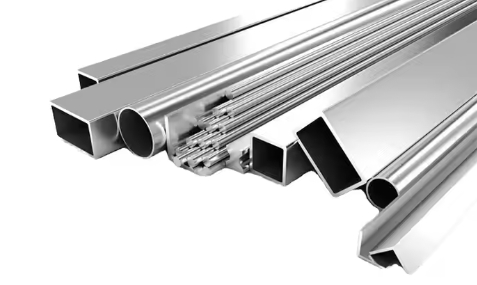
Mill Finished Aluminum Profiles
Mill finished aluminum profiles are extruded aluminum profiles that have not undergone any additional surface treatment or finishing processes. The term "mill finish" refers to the natural appearance of the aluminum after extrusion, which retains the typical metallic sheen and texture resulting from the extrusion process.
Advantages of Mill Finished Aluminum Profiles:
1. Natural Aesthetic: Mill finished aluminum profiles have a smooth, metallic surface that retains the natural color of aluminum, making them ideal for applications where a clean, industrial look is desired.
2. Cost-Effective: Since mill finished profiles do not undergo additional surface treatments like anodizing or powder coating, they are generally more affordable compared to anodized profiles.
3. Customizable: Mill finished aluminum profiles provide a blank canvas for further surface treatments, allowing architects and designers to customize the finish according to the specific requirements of the project.
Disadvantages of Mill Finished Aluminum Profiles:
1. Vulnerability to Corrosion: Mill finished aluminum profiles are more prone to corrosion over time, especially in harsh environmental conditions, as they do not have the added protection that anodizing or coating provides.
2. Aesthetic Limitations: While some applications may benefit from the natural look of mill finished aluminum, others may require a more refined finish for a modern or sleek appearance.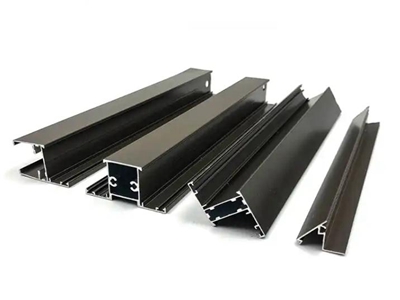
Anodized Aluminum Profiles
Anodizing is an electrochemical process that enhances the surface of aluminum profiles, making them more durable, resistant corrosion, and aesthetically pleasing. The anodizing process involves immersing the aluminum profiles in an acid bath and applying an electrial current, which causes the aluminum to react and form a protective oxide layer on the surface. This layer can be colorized to achieve different finishes.
Advantages of Anodized Aluminum Profiles:
1. Enhanced Durability: The anodizing process creates a thick oxide layer that acts as a protective barrier against corrosion, wear, and damage. This makes anodized aluminum profiles especially suitable for windows and doors exposed to outdoor elements.
2. Improved Aesthetic Appeal: Anodized aluminum profiles are available in a variety of colors and finishes, allowing for greater design flexibility. The process also results in a matte, satin, or glossy finish, depending on the desired aesthetic.
3. Longer Lifespan: Anodized aluminum profiles are highly resistant to fading, chipping, or peeling, which means they maintain their appearance for a much longer period compared to mill finished profiles.
4. Environmentally Friendly: Anodizing is an environmentally friendly process that does not require the use of toxic chemicals or paints, making it a sustainable choice for green building projects.
Disadvantages of Anodized Aluminum Profiles:
1. Higher Cost: Anodized aluminum profiles typically cost more than mill finished profiles due to the added processing and treatment required. The increased durability and aesthetic appeal, however, may justify the higher price for certain applications.
2. Limited Customization Post-Treatment: While anodizing allows for some degree of customization in terms of color, the process can be more difficult to alter once completed. This may limit flexibility in future design changes.
Key Differences Between Anodized and Mill Finished Aluminum Profiles
1. Surface Finish and Appearance: Mill finished aluminum profiles have a natural metallic sheen, while anodized aluminum profiles have a more refined, uniform, and sometimes color-enhanced finish.
2. Durability and Corrosion Resistance: Anodized aluminum profiles offer superior resistance to corrosion, making them a better option for windows and doors exposed to weather conditions. Mill finished profiles are more vulnerable to corrosion and wear.
3. Cost: Mill finished aluminum profiles are generally more affordable due to the lack of additional surface treatment, while anodized profiles come with a higher price tag but offer added longevity and protection.
4. Customization: Anodized aluminum offers a wider range of color options and finishes, while mill finished profiles are primarily available in the natural aluminum color and can be customized later through additional treatments.
Applications of Anodized and Mill Finished Aluminum Profiles for Windows and Doors
· Mil Finished Aluminum Profiles: These profiles are commonly used in applications where aesthetic considerations are secondary, or when additional finishing treatments will be applied after installation. For example, they may be used in commercial buildings, industrial projects, or areas where the profiles are likely to be further treated or painted.
· Anodized Aluminum Profiles: These profiles are ideal for residential windows and doors, as well as other architectural applications that require enhanced corrosion resistance and a more sophisticated appearance. The anodized finish is also an excellent choice for projects where long-term maintenance and aesthetics are a concern.
Conclusion
When deciding between anodized and mill finished aluminum profiles for windows and doors, it's important to consider the specific needs of your project. Mill finished profiles are a cost-effective option that offers flexibility for further treatment, but they lack the durability and aesthetic appeal of anodized profiles. On the other hand, anodized aluminum profiles provide superior protection, an elegant finish, and greater long-term performance, making them the preferred choice for many architects and designers.
Choosing the right aluminum profile finish can significantly impact the longevity, performance, and appearance of your windows and doors. By understanding the key differences between anodized and mill finished aluminum, you can make an informed decision that aligns with the requirements of your projects.
