Intrduction
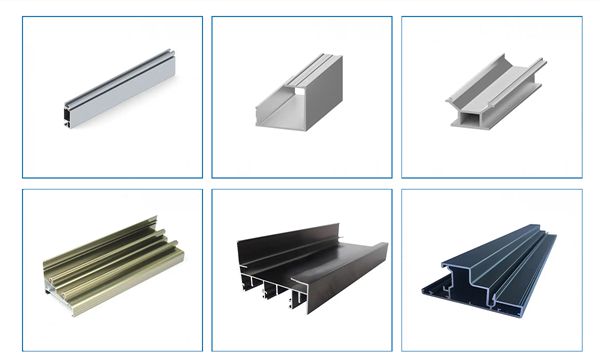
Aluminum profiles have become an indispensable material in a variety of industries due to their lightweight, durable, and highly versatile nature. While much attention is often given to the structural and mechanical properties of aluminum, the surface finishing techniques applied to aluminum profiles are equally important. Surface finishing not only enhances the aesthetic appeal of aluminum profiles but also significantly improves their performance, corrosion resistance, and lifespan.
Overview of Surface Finishing Techniques
Surface finishing refers to the process of altering the surface of a material to achieve specific properties or appearances. In the case of aluminum profiles, several surface finishing techniques are commonly employed, each offering distinct advantages depending on the intended application. These techniques include anodizing, powder coating, electrophoretic coating, and mechanical polishing. Each method has its unique set of benefits, making aluminum profiles adaptable to a wide range of uses.
1. Anodizing: Enhancing Durability and Aesthetics
Anodizing is one of the most popular surface finishing techniques for aluminum profiles. This electrochemical process involves immersing the aluminum profile in an electrolyte solution and passing an electric current through it. The result is the formation of a thick, durable oxide layer on the surface of the aluminum. This oxide layer is not only hard and abrasion-resistant but also provides excellent corrosion protection.
Benefits of Anodizing:
· Corrosion Resistance: The anodized layer acts as a protective barrier, preventing the aluminum from reacting with environmental elements like moisture and oxygen. This makes anodized aluminum profiles ideal for outdoor applications, such as in architectural structures or marine environments.
· Aesthetic Flexibility: Anodizing allows for a wide range of color options, achieved by adding dyes to the oxide layer during the process. This makes it possible to create aluminum profiles that meet specific design requirements while maintaing their structural integrity.
· Environmental Impact: Anodizing is an environmentally friendly process. The chemicals used in anodizing are non-toxic, and the process itself does not emit harmful pollutants, making it a sustainable choice for manufacturers.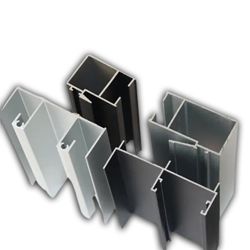
Applications of Anodized Aluminum Profiles:
Anodized aluminum profiles are widely used in the construction industry, particularly for window frames, curtain walls, and decorative architectural elements. Their durability and aesthetic flexibility make them a popular choice for both functional and decorative purposes. Additionally, anodized aluminum profiles are used in the electronics industry for enclosures and heat sinks due to their excellent thermal conductivity and protection against environmental damage.
2. Powder Coating: Superior Color Retention and Surface Protection
Powder coating is another widely used surface finishing technique for aluminum profiles. Unlike traditional wet painting, powder coating involves applying a dry powder to the surface of the aluminum profile, which is then cured under heat to form a solid, durable layer.
Benefits of Powder Coating:
· Durability: Powder-coated aluminum profiles have a tough, abrasion-resistant surface that can withstand harsh environmental conditions. This makes them ideal for applications where durability and long-term performance are critical.
· Color Retention: The powder coating process ensures that the color of the aluminum profile remains vibrant and consistent over time, even when exposed to UV light and weathering. This is particularly important for outdoor applications where aesthetics are a key consideration.
· Eco-Friendly: Powder coating is a more environmentally friendly option compared to traditional painting methods. The process generates minimal waste, and the powder used can be recycled and reused, reducing its environmental footprint.
Applications of Powder-Coated Aluminum Profiles:
Powder-coated aluminum profiles are commonly used in the automotive and transportation industries for exterior components, such as roof rails, trim pieces, and body panels. Their durability and resistance to corrosion and UV degradation make them ideal for these demanding environments. Additionally, powder-coated profiles are used in the furniture industry, particularly for outdoor furniture, where both aesthetics and weather resistance are important.
3. Electrophoretic Coating: Precision and Uniformity
Electrophoretic coating, also known as e-coating, is a surface finishing technique that uses an electric field to deposit a thin, uniform coating onto the surface of the aluminum profile. The process involves immersing the aluminum profile in a bath containing a water-based paint or resin, and then applying an electric current to attract the coating material to the surface.
Benefits of Electrophoretic Coating:
· Uniform Coating: E-coating ensures a consistent and uniform layer of coating across the entire surface of the aluminum profile, including complex shapes and hard-to-reach areas. This precision makes it ideal for applications where even coating thickness is critical.
· Corrosion-Resistance: E-coating is a highly efficient process that minimizes material waste, making it a cost-effective option for large-scale production.
Applications of Electrophoretic-Coated Aluminum Profiles:
Electrophoretic-coated aluminum profiles are widely used in the automotive industry for components such as trim pieces, grilles, and handles. The uniform coating and corrosion resistance provided by e-coating make it ideal for these applications. Additionally, e-coated profiles are used in the electronics industry for protective casings and in the medical field for equipment housings, where precision and durability are paramount.
4. Mechanical Polishing: Achieving a High-Gloss Finish
Mechanical polishing is a surface finishing technique that involves physically smoothing the surface of the aluminum profile to achieve a high-gloss finish. This is typically done using abrasive materials and polishing compounds to remove surface imperfections and enhance the profile's appearance.
Benefits of Mechanical Polishing:
· Aesthetic Appeal: Mechanical polishing produces a mirror-like finish that enhances the visual appeal of aluminum profiles. This makes it an ideal choice for applications where aesthetics are a primary concern.
· Improved Surface Quality: Polishing removes surface defects such as scratches, pits, and oxidation, reuslting in a smooth, flawless surface.
· Versatility: Mechanical polishing can be applied to a wide range of aluminum profiles, regardless of their size or shape, making it a versatile surface finishing option.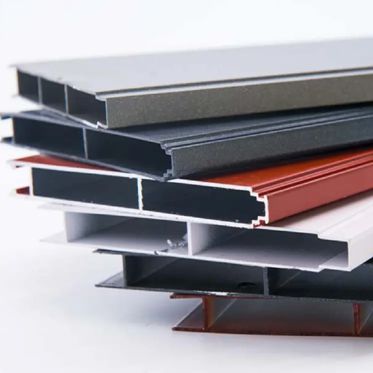
Applications of Polished Aluminum Profiles:
Polished aluminum profiles are commonly used in the consumer electronics industry for products such as smartphones, laptops, and audio equipment, where a high-gloss finish is desirable. They are also used in the automotive industry for decorative trim and in the aerospace industry for interior components, where both aesthetics and surface quality are important.
Conclusion
Surface finishing techniques play a crucial role in enhancing the performance, durability, and aesthetic appeal of aluminum profiles. Whether through anodizing, powder coating, electrophoretic coating, or merchanical polishing, these techniques enable aluminum profiles to meet the specific demands of various industries, from construction and transportation to electronics and consumer goods. As technology continues to advance, we can export to see even more innovative surface finishing techniques emerge, further expanding the possibilities for aluminum profiles in modern applications.
