Categories
Door and Window Opening Methods
This article discusses the various opening methods for doors and windows, including their applications, benefits, and considerations for choosing the best option for different spaces.
Aug 21st,2023
824 Views
When it comes to doors and windows, their opening methods play a crucial role in both functionally and aesthetic. Understanding the various types of openings can help you choose the best options for your home or building. Here, we explore the different types of openings for both doors and windows, their applications, and their benefits.Door Opening Methods1. Horizontal Opening DoorsHorizontal opening doors are the most traditional and can be further divided into external and internal openings:· External Opening Doors: Commonly used on the first floor or the facade of a sunroom. These doors open outward, thus not occupying indoor space.· Internal Opening Doors: These open inward and are suitable for spaces where outward opening might be obstructed.2. Sliding DoorsSliding doors are popular for their space-saving features and come in two main types:· Lightweight Sliding Doors: These are more commonly used but offer poorer sealing performance. · Heavy-Duty Sliding Doors: These often come with lifting functions, providing better sealing performance. They are suitable for areas requiring robust security and insulation.3. Folding DoorsFolding doors are primarily used outdoors and are ideal for large openings, such as patios or garden entrances. They can be folded away to create a seamless transition between indoor and outdoor spaces.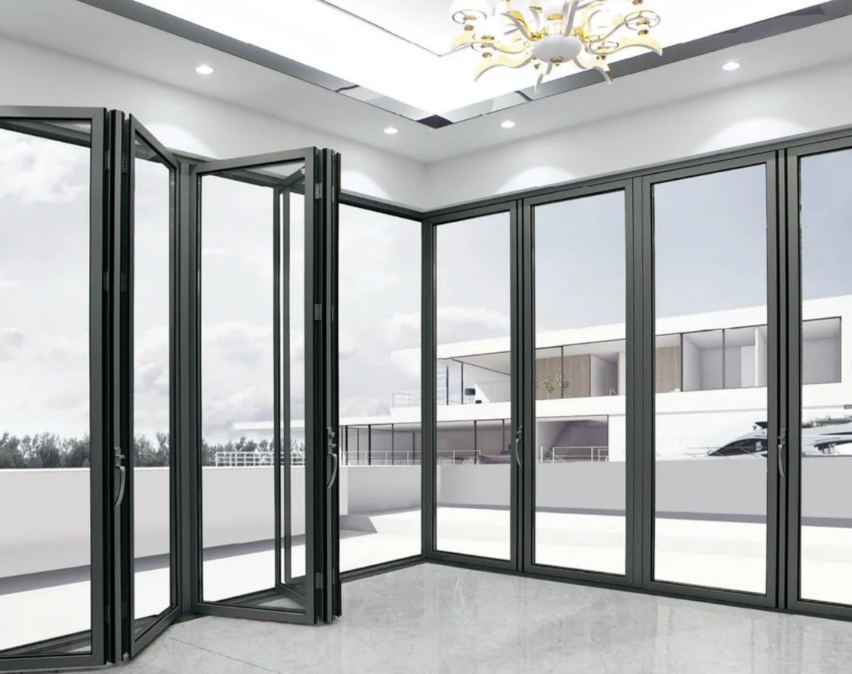
Window Opening MethodsWindows can be classified into six main types based on their opening mechanisms: 1. Casement Windows (Flat opening)These windows are hinged on the side and open outward or inward like a door. They provide excellent ventilation and sealing when closed. Casement windows are ideal for living rooms and bedrooms. 2. Tilt and Turn WindowsThese windows offer two modes of opening: they can be tilted inward at the top for ventilation or fully opened inward from the side. This versatility makes them popular in modern homes.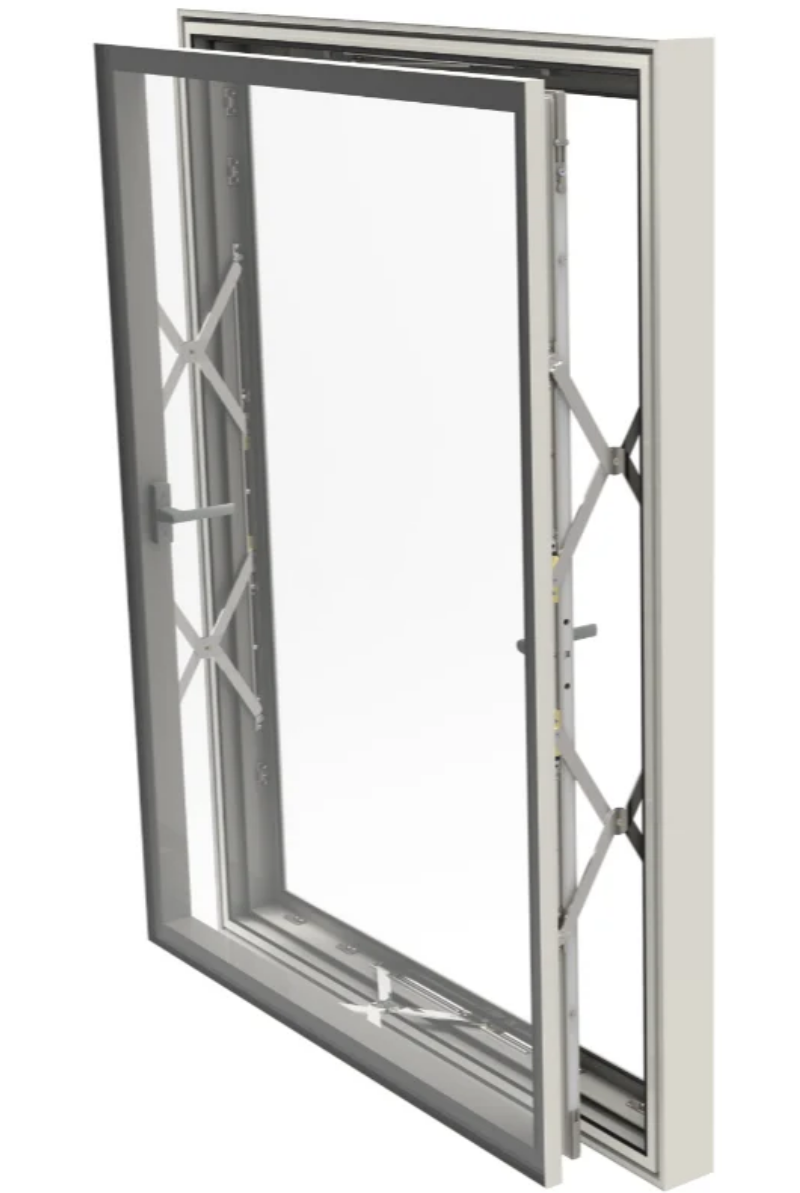 3. Awning Windows (Outward Flipping)Hinged at the top and opening outward, awning windows are great for ventilation even during rain. They are commonly used in bathrooms and basements.4. Sliding WindowsSliding windows open horizontally along a track. They are easy to use and maintain but generally provide less sealing compared to casement or tilt and turn windows. These are often used in kitchens and as pass-through windows to patios.
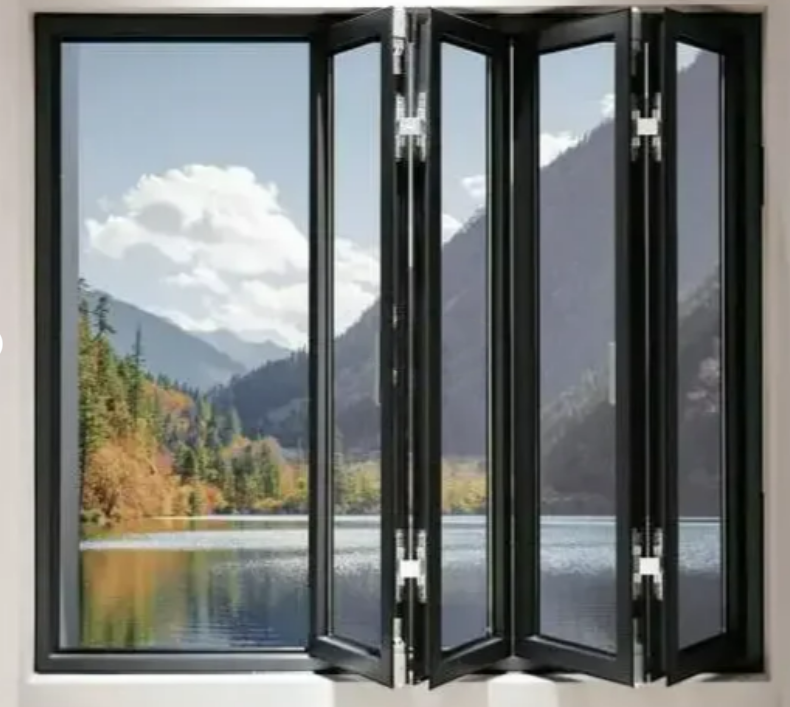
 5. Folding WindowsSimilar to folding doors, these windows fold to one side, offering an unobstructed view and maximum ventilation. They are ideal for balconies and large openings.
 6. Lift and Slide WindowsThese windows lift slightly off their track before sliding, offering better sealing and security. They are suitable for spaces that require wide, unobstructed openings.
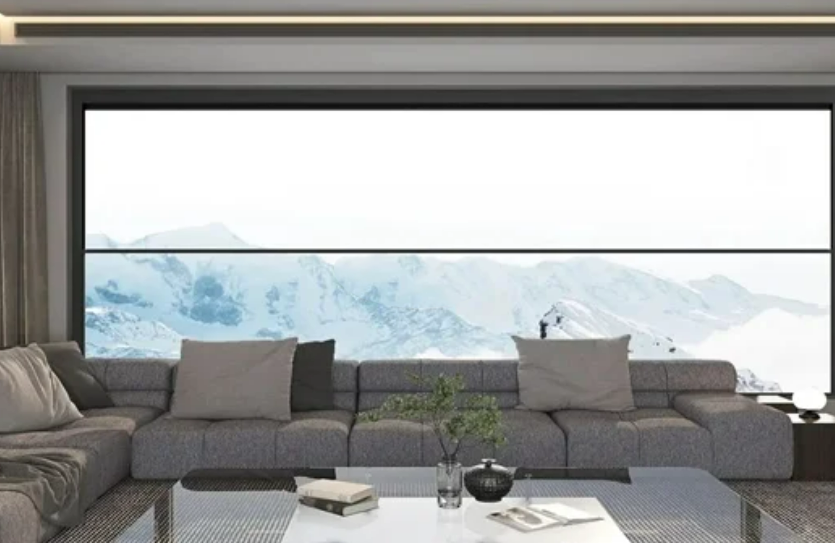 Choosing the Right Door and Window Openings1. Space ConsiderationThe choice between internal and external opening doors or windows depends largely on the available space. For instance, external opening doors are ideal for small interiors as they do not take up indoor space.2. Functionally and UsageSliding and folding doors/windows are perfect for areas requiring frequent access and wide openings, such as patios and balconies. For rooms needing more ventilation, like kitchens and bathrooms, awning or casement windows are preferable.3. Aesthetic AppealCasement windows and external opening doors offer a classic look and can be customized with various designs and colors. On the other hand, sliding and folding mechanisms provide a modern, sleek appearance.4. Sealing and InsulationFor better sound and thermal insulation, casement windows, tilt and turn windows, and heavy-duty sliding doors are excellent choices. They offer superior sealing compared to lightweight sliding doors.5. Maintenance and DurabilityConsider and material and design for ease of maintenance. For instance, aluminum profiles for doors and windows are durable and require less unkeep compared to wooden ones, which might need regular varnishing and treatment.FAQs about Door and Window ProfilesQ1: What are the benefits of using aluminum extrusion profiles for doors and windows?Aluminum extrusion profiles offer strength, durability, and resistance to corrosion. They are also lightweight, making them easy to install and maintain.Q2: How do I choose the right type of window for my home?Consider factors like ventilation needs, space, sealing, and aesthetic preferences. Casement and tilt and turn windows are great for ventilation, while sliding and folding windows are perfect for space-saving and modern looks.Q3: Are there any special considerations for installing windows in high-rise buildings?Yes, for high-rising buildings, it's important to choose windows that can withstand high wind pressures. External opening windows might not be suitable, and windows with better sealing and insulation properties are recommended.Q4: Can I combine different types of windows in my home?Absolutely. Combining different types of windows can enhance both the functionally and aesthetic appeal of your home. For example, you can use casement windows in living areas for better views and sliding windows in the kitchen for easy access.Q5: What maintenance is required for aluminum doors and windows?Aluminum doors and windows require minimal maintenance. Regular cleaning with mild soap and water, checking the seals, and lubricating the moving parts are usually sufficient to keep them in good condition.By understanding the various opening methods and their applications, you can make an informed decision that enhances both the functionality and aesthetics of your home or building. Whether you prefer the classic look of casement windows or the modern appeal of sliding doors, there is wide range of options to suit your needs and preferences.
