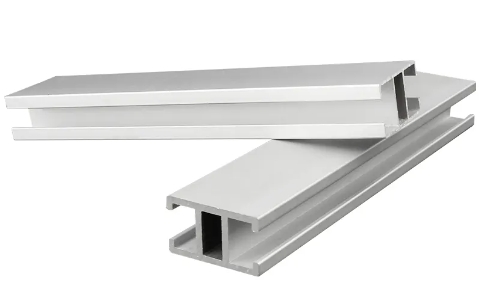
6061 aluminum alloy and 6063 aluminum alloy are two commonly used aluminum alloy materials, each with distinct characteristics and applications. Understanding their differences can help in selecting the appropriate alloy for specific needs. Let's delve into the key aspects that differentiate these two alloys: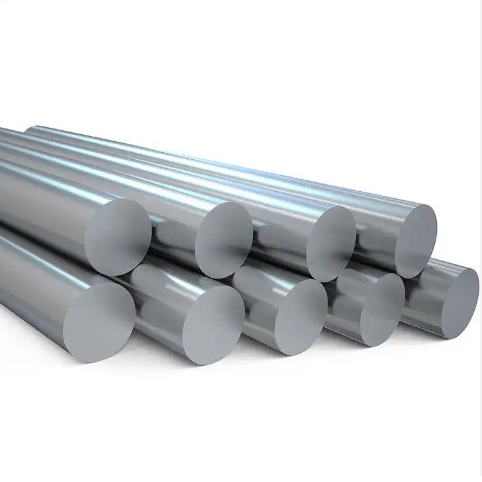
1. Chemical Composition
· 6061 Aluminum Alloy: The main alloying elements in 6061 are aluminum, magnesium, and silicon. This composition provides a balance of strength and corrosion resistance.
· 6063 Aluminum Alloy: The primary elements in 6063 are aluminum, silicon, and magnesium. While similar to 6061, the proportions vary, resulting in different properties.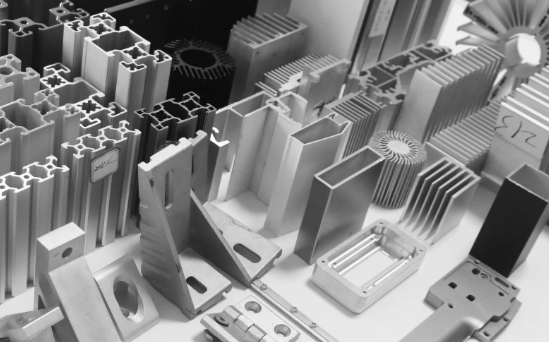
2. Mechanical Properties
· 6061 Aluminum Alloy: Known for its high strength and hardness due to the higher proportion of magnesium and silicon. This makes it suitable for applications requiring robust mechanical performance.
· 6063 Aluminum Alloy: Offers good ductility and excellent machinability, making it less strong but more versatile for shaping and forming. It is softer compared to 6061 but easier to work with for intricate designs.
3. Heat Treatment Capability
· 6061 Aluminum Alloy: Exhibits excellent heat treatment capabilities, allowing it to achieve higher strength through processes such as solution heat treatment and aging.
· 6063 Aluminum Alloy: Has relatively poor heat treatment response. The improvements in mechanical properties through heat treatment are less significant compared to 6061.
4. Application Fields
· 6061 Aluminum Alloy: Due to its high strength and hardness, it is widely used in industries such as aerospace, automotive manufacturing, and bicycle components. It is ideal for applications requiring high load-bearing capacity and structural integrity.
· 6063 Aluminum Alloy: Favored in the construction industry for building materials, door and window frames, and exhibition displays due to its excellent processability and aesthetic appeal. It is ideal for applications where appearance and ease of fabrication are crucial.
5. Surface Treatment
· 6061 Aluminum Alloy: Typically undergoes anodizing or other surface treatments to enhance corrosion resistance and improve appearance quality. Anodizing adds a protective oxide layer that increases durability.
· 6063 Aluminum Alloy: Often treated with color electrophoresis and powder coating to achieve a decorative finish and enhance oxidation resistance. These treatments improve both and look and longevity of the material.
Detailed Comparsion
Strength and Hardness:
· 6061: Higher strength and hardness make it suitable for heavy-duty applications.
· 6063: Softer with better formability, ideal for complex shapes and designs.
Ductility and Machinability
· 6061: Less ductile but can be machined to tight tolarences.
· 6063: More ductile and easier to machine, allowing for more intricate and detailed work.
Corrosion Resistance
· 6061: Functinal and robust, less emphasis on appearance.
· 6063: Prioritizes aesthetic appeal, often used where visual quality is important.
Practical Applications
Aerospace and Automotive:
· 6061: Utilized for critical structural components that demand high strength-to-weight ratios.
Construction and Architecture:
· 6063: Commonly used in decorative and architectural applications due to its superior finish and formability.
Industrial and Consumer Products:
· 6061: Found in a variety of tools and consumer goods requiring durability.
· 6063: Used in consumer products that benefits from its ease of manufacturing and attractive finish.
Conclusion
In summary, the chocie between 6061 and 6063 aluminum alloys depends on the specific requirements of the applications. 6061 aluminum alloy is preferable for high-strength, high-load applications with excellent heat treatment capabilities, making it ideal for aerospace, automotive, and heavy-duty manufacturing. On the other hand, 6063 aluminum alloy is the go-to material for applications where ease of machining, aesthetic quality, and good ductility are prioritized, such as in building materials and decorative structures. Understanding these differences ensures the selection of the right material for optimal performance and cost-efficiency in various industries.