Choosing the right profile for system windows is critical as profiles serve a crucial role similar to bones in the human body, providing support and connecting various parts. The quality of aluminum alloy profiles used in doors and windows is paramount, and this begins with the manufacturing process.
Manufacturing Process of Aluminum Alloy Profiles
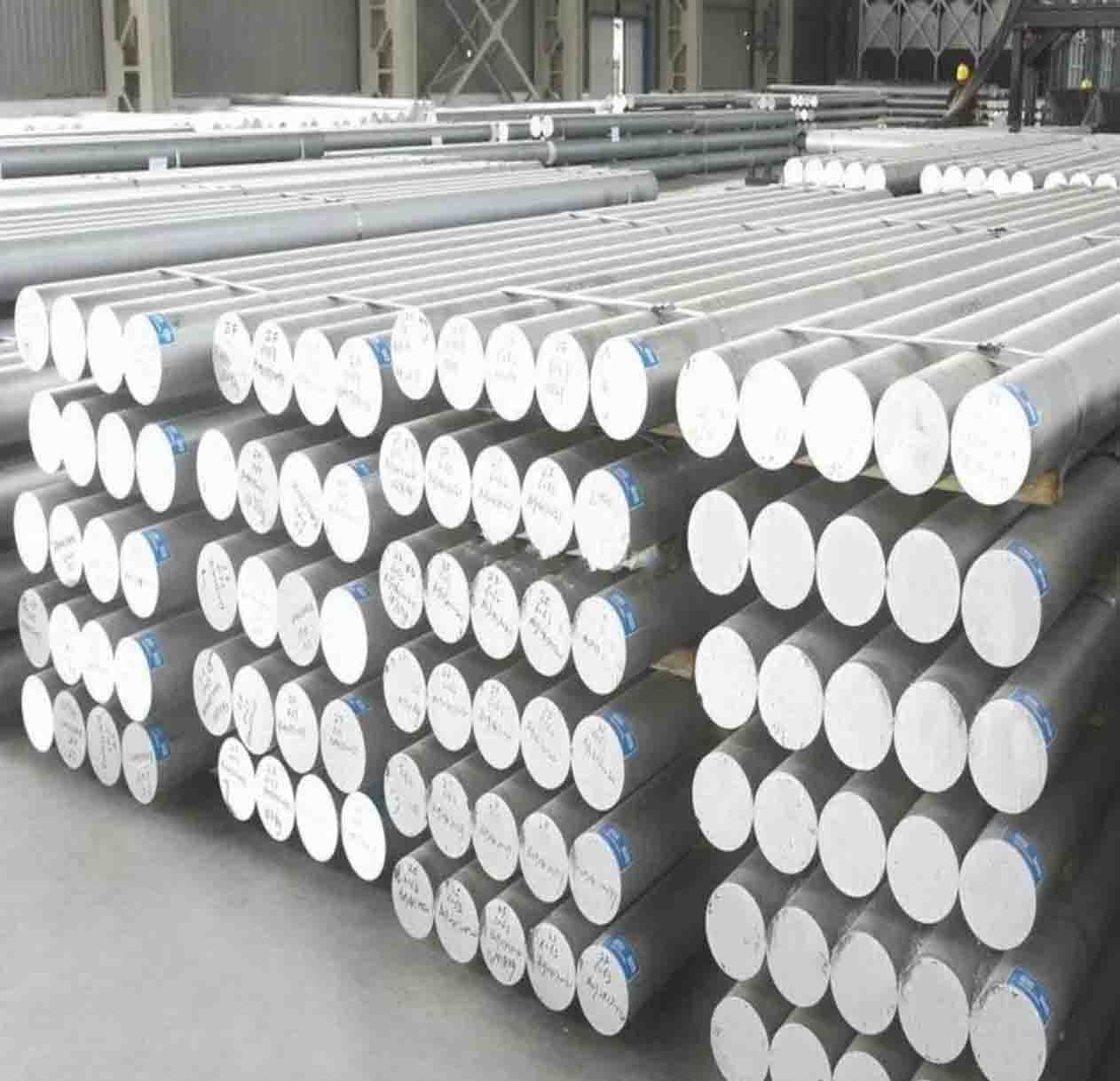
Aluminum alloy profiles are created by heating aluminum rods and extruding them through molds, following by different cooling methods. This process involves various heat treatments like T5, T6, and T66.
Types of Aluminum Rods:
1. A Rods (Primary Aluminum): These are stronger, harder, more durable, and have better oxidation resistance compared to recycled aluminum. They are also have a longer service life but come at a higher cost.
2. B Rods (Recycled Aluminum): These are less expensive but have inconsistent alloy compositions and strength, which can affect the performance of doors and windows.
Distinguishing Between Primary and Recycled Aluminum:
The chemical composition of aluminum can only be accurately determinded through laboratory analysis.
Profile Wall Thickness:
At present, the new national standard requires a profile with wall thickness of 1.8. Profiles used in doors and windows are commonly made of 6063 or 6060 aluminum alloys, with 6060 offering better performance at a higher price.
6063 Aluminum Alloy Composition:
· Aluminum (Al): Remainder
· Silicon (Si): 0.20-0.6%
· Copper (Cu): ≤ 0.10%
· Magnesium (Mg): 0.45-0.9%
· Zinc (Zn):
Physical and Mechanical Properties of 6063:
· Tensile strength (σ B): ≥ 205 MPa
· Yield strength (σ 0.2): ≥ 170 MPa
· Elongation (δ 5): ≥ 9%
6060 Aluminum Alloy Composition:
· Silicon (Si): 0.3-0.6%
· Iron (Fe): 0.1-0.3%
· Copper (Cu): 0.1%
· Manganese (Mn): 0.1%
· Magnesium (Mg): 0.35-0.6%
· Zinc (Zn): 0.1%
Physical and Mechanical Properties of 6060:
· Tensile strength (σ B): ≥ 470 MPa
· Yield strength (σ 0.2): ≥ 420 MPa
· Elongation (δ 5): ≥ 6%
Product Features:
1. High strength heat-treatable alloy.
2. Good mechanical performance
3. Good usability and easy processing
4. Excellent wear resistance
5. Good corrosion and oxidation resistance
Heat Treatment Processes:
· 6063-T5: 8HW (Vickers strength)
· 6060-T6: 11.5HW (Vickers strength)
· 6060-T66: 13HW (Vickers strength)
Processing Costs and Precision:
The processing costs vary among factories. Larger factories with higher processing costs typically offer better precision and quality compared to smaller ones.
Profile Color:
Opting for profiles with original factory color is ideal. Large processing factories follow stringent standards for profile cleaning, drying, and spraying, ensuring long-lasting color that does not fade or peel.
Conclusion:
When selecting profiles for system windows, it is advisable to choose 6060-T6 or T66 with a wall thickness of 1.8mm as per the new national standard. This choice offers better performance compared to 6063-T5. Always verify the quality by requesting inspection reports or delivery notes from the profile factory. By making informed decisions, you can ensure the longevity, strength, and aesthetic appeal of your doors and windows.