The global aluminum extrusion market is experiencing significant growth, with a projected compound annual growth rate (CAGR) of 8.1% from 2025 to 2030. Within this booming market, South America and Africa stand out as emerging growth regions. In South America and Africa, accelerating urbanization and infrastructure investment are driving strong demand for aluminum profiles used in building frames, doors, windows, curtain walls, ceilings, and decorative applications.
For buyers from these regions, efficient sourcing has become a key competitive advantage.This guide provides a systematic sourcing framework, from alloy selection to supplier evaluation, to help you make informed decisions in the complex global supply chain.
6000 series alloys (Al-Mg-Si), are the material of choice for construction, industrial, and decorative applications. These alloys offer heat-treatable strengthening, excellent extrudability, good corrosion resistance, and formability—making them the optimal balance of performance and cost-effectiveness in B2B procurement.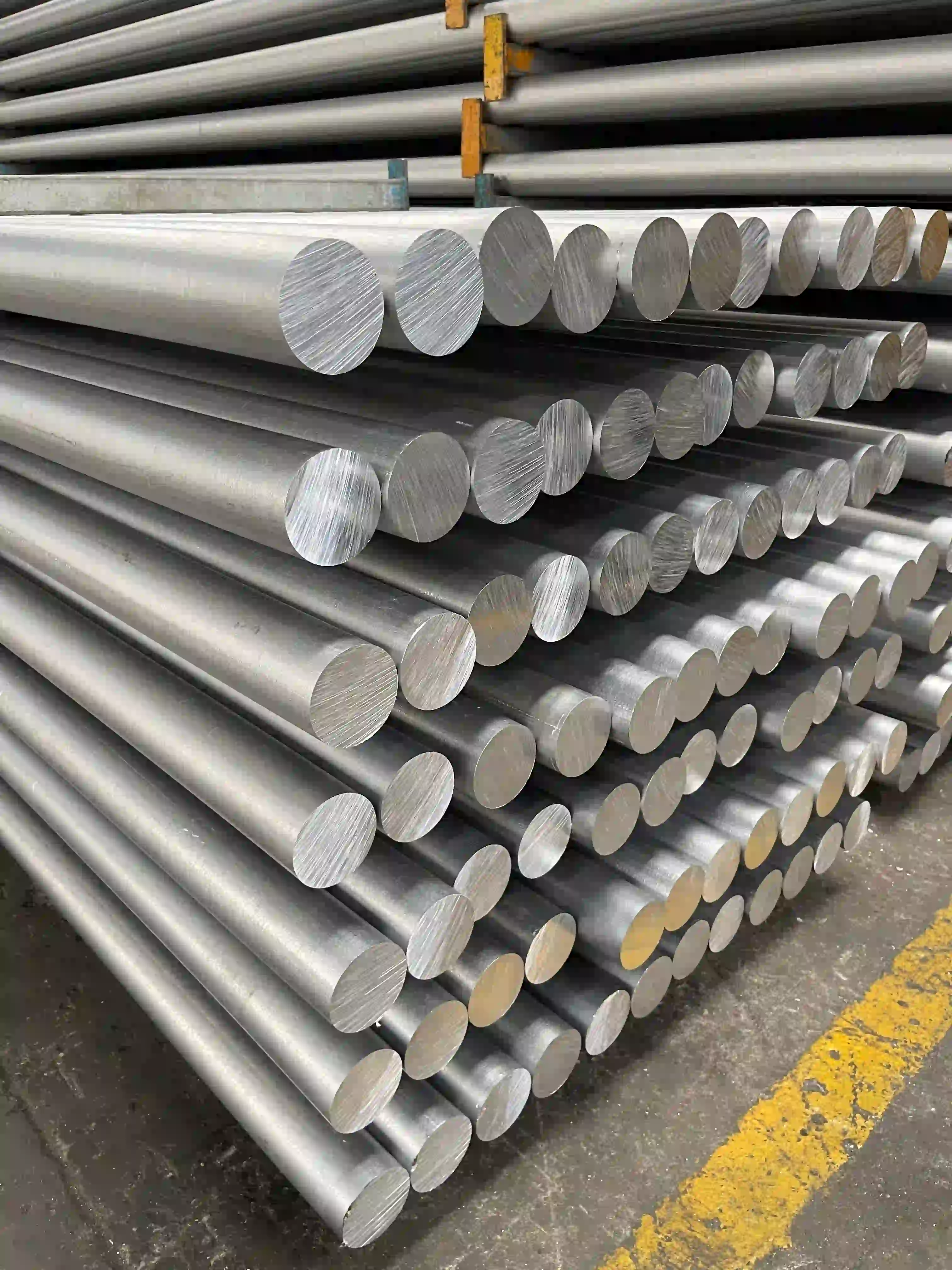
| 6000 Alloy | Workability | Application Fields | Typical Products |
| 6063 | Excellent extrudability and low quenching sensitivity | Architectural profiles | Windows, doors, curtain walls, railings, decorative |
| Industrial profiles | Extrusions for vehicles, racks, furniture, fences | ||
| Heat sinks | Heat sinks for electronic devices and appliances | ||
| 6061 | Good machinability and high quenching sensitivity | Industrial structural parts | Brackets, tower structures, ships, railway frames, trucks, connecting plates, trams |
| Mechanical components | Precision machined parts, gears, hydraulic cylinders, valves | ||
| Aerospace | Fixtures, electrical fixtures, communication equipment components | ||
| Mold manufacturing | Base plates and templates for molds | ||
| 6005 | Good workability and easier to extrude than 6061 | Transportation | Railway vehicle structural parts, ladders, TV antennas, TV transmission towers |
| Structural engineering | Pipes and profiles for general structural parts | ||
| Furniture manufacturing | Bookshelves, wardrobes, cabinets,table and chair supports,household ladders,extension ladders | ||
| 6082 | Good workability;higher melting temperature (740–760°C) | Transportation | body panels, bicycle frames, ship components, aircraft landing gear pads |
| Machinery manufacturing | Forgings, gearboxes, hydraulic cylinders, valve parts | ||
| Structural engineering | Bridges, cranes, roof trusses, tower structures and other load-bearing structural parts | ||
| New energy sector | New energy vehicle battery enclosures. |
6063 is the industry standard for aluminum window, curtain wall systems, and decorative profiles.
| Status | Tensile Strength / MPa | Yield Strength / MPa | Applicable Scenarios |
| T5 | ≥160 | ≥110 | General architectural profiles, curtain walls, aluminum window and door frames |
| T6 | ≥215 | ≥180 | Load-bearing structures, high-strength window and door systems |
Sourcing Recommendation: For standard aluminum windows and doors, T5 temper meets most requirements. If the project involves high-rise building exterior windows or large sliding door systems, specify T6 temper to ensure structural safety.
6061 provides higher strength than 6063 while maintaining good corrosion resistance and weldability. Typical applications include:
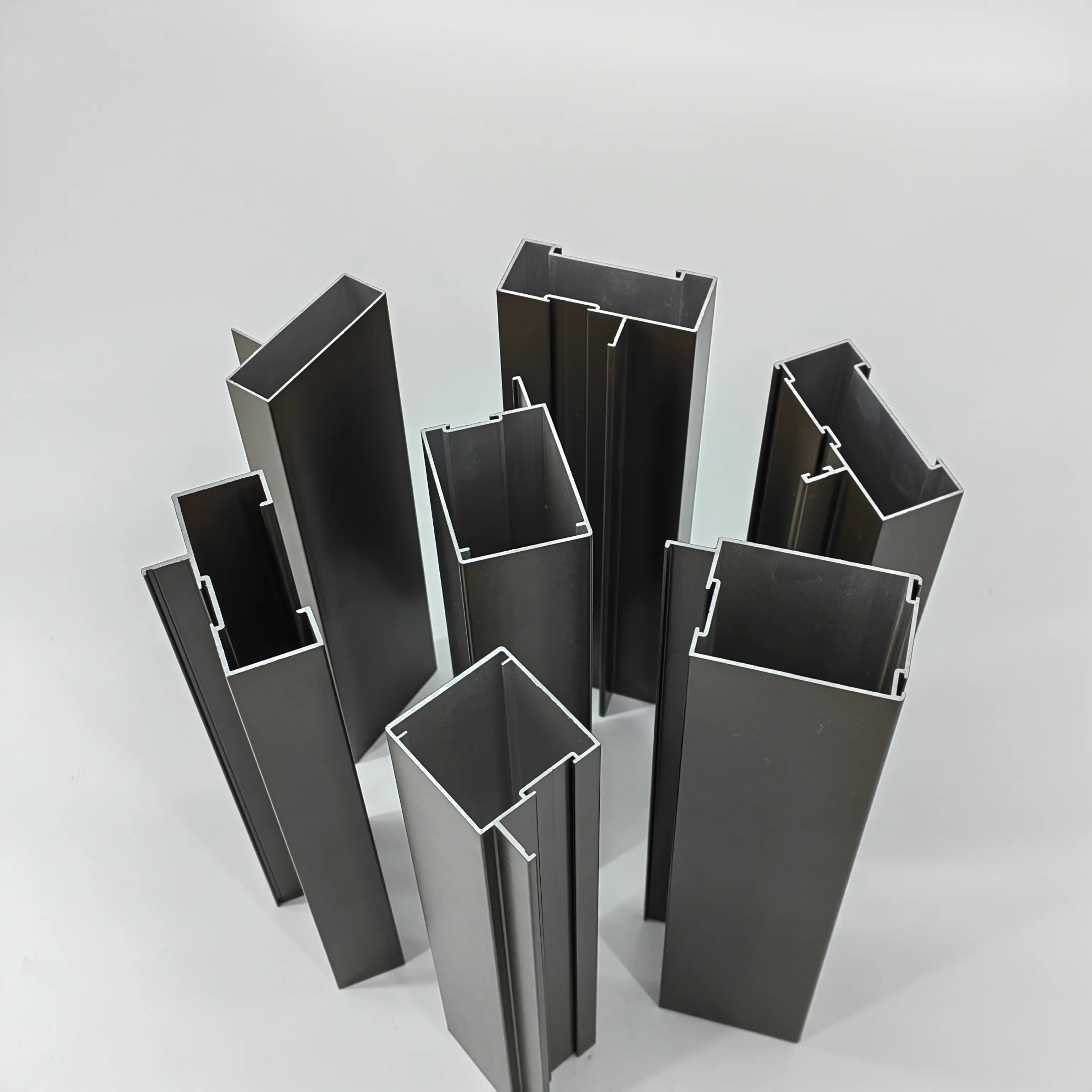
Determining the profile specifications in advance can help avoid rework and losses resulting from hasty material selection. Are you unsure what the standard wall thickness is for different applications? Is your preferred coating suitable for environments such as coastal salt spray, damp and rainy conditions, or industrial corrosion? To address these pain points, as a reliable aluminum supplier, we have compiled two practical reference materials:
| Wall Thickness | Applicable Scenarios | Advantages |
| 1.4mm | Residential interiors, small windows, partitions | Controllable cost, light weight, installation-friendly, budget-friendly pricing. |
| 1.8mm | Mid- and high-rise residential projects | Significantly superior strength to 1.4mm; enhanced wind pressure resistance, stability, and durability. |
| 2.0mm | Large glazing systems and high-rise buildings | High structural strength, anti-deformation, wind pressure resistance, and anti-settlement. |
| ≥1.8–2.2mm | Coastal residential exterior windows and doors | Meets wind pressure and corrosion resistance requirements in coastal areas. |
| ≥2.2–2.4mm | High-rise coastal buildings and typhoon-prone regions | Strong wind pressure and corrosion resistance, enhanced load-bearing and stability. |
Suggestion:There is no need to excessively pursue wall thickness. Profiles are not necessarily better when thicker. The perfect match between wall thickness and application scenario is the most appropriate choice.
| Surface Treatment | Thickness | Lifespan | Color Range | Relative Cost |
| Anodizing (Electrochemical Protection) |
10–15 μm (Standard) | 20+ years | Wide color range; custom gradients and dual-tone available | Medium |
| 20–25 μm (Coastal) | 10–15 years | |||
| Powder Coating (Polymer Barrier) |
40–80 μm (Standard) | 10–15 years | Any RAL color; metallic effects | Medium |
| 60–120 μm (Coastal) | 8–12 years | |||
| Electrophoretic Coating (Advanced Anti-Corrosion) | 10–20 μm (Standard) | 20–25 years | Primarily silver-white and black; limited selection | Medium-High |
| 16–25 μm (Coastal) | 15–20 years | |||
| Fluorocarbon Spray Coating (Most Durable) | 25–34 μm (Coastal) | 30+ years | Any RAL color; matte and metallic effects | High |
| ≥34 μm (Coastal) | 20–30 years | |||
| Wood Grain Transfer (Aesthetic) | 0.6–1.0 mm(Standard) | 10–15 years | Can simulate various wood textures | Low |
| 1.2–2.0 mm (Coastal) | 8–12 years | |||
| Note: The above thickness and lifespan figures are general references; Actual lifespan is affected by aluminum alloy material, wall thickness, installation environment, and maintenance conditions. |
||||
Special recommendations for South America/Africa: For coastal or industrial projects, prioritize electrophoretic coating or fluorocarbon spraying.Although the initial investment is higher, the total life-cycle cost is lower.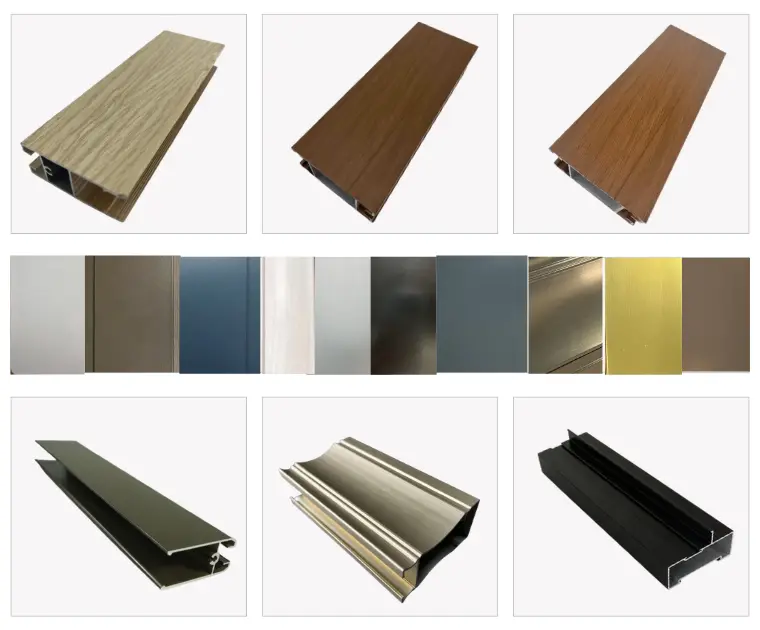
South American and African climates are predominantly tropical. Buildings in many regions face intense ultraviolet radiation, high humidity, coastal salt spray corrosion, and other challenges. Special attention is required during procurement:
In B2B procurement, standard profiles often fail to meet specific project requirements. When South American and African buyers need to customize aluminum profiles, should evaluate whether the supplier possesses the following capabilities to ensure that the custom mold precision and profile quality.
Reliable suppliers should provide:
Case Study:Solar Mounting System for the Kenyan Market
A Nairobi-based importer needed custom aluminum profiles for solar panel frames meeting the following requirements:
Solution: Through collaborative design, we developed a 6005-T5 profile with integrated rails and a bracket system. Compared to bolted solutions, installation time was reduced by 40%. Mold development took 18 days; first-batch products were delivered within 30 days.
 Evaluation Criteria:
Custom aluminum profile mold costs typically range from USD 500 to USD 5,000.The following strategies are recommended to optimize costs:
Essential Certification Checklist:
Required Quality Documents per Shipment:
| Evaluation Dimension | Key Indicator | Reasons to follow |
| Annual Production Capacity | ≥10,000 tons | Ensures supply stability for large projects. |
| Number of Extrusion Presses | ≥5 units | Reduces delivery delays caused by equipment failure. |
| Maximum Extrusion Width | ≥300mm | Meets demand for large curtain wall profiles. |
| Mold Inventory | ≥2,000 sets | Rapid response to standard profile orders. |
| Warehouse Capacity | ≥5,000 m² | Ensures adequate inventory during peak seasons. |
For South American and African buyers, a supplier's international trade experience is crucial.
Language and Communication:
Financial and Payment Terms:
Logistics and Delivery Capability:
High-quality aluminum profile suppliers will establish a comprehensive customer service system.
Pre-Sales Support:
In-Process Tracking:
After-Sales Service:
Regulatory requirements for the aluminium profile market in South America and parts of Africa.
Procurement Recommendation: Clearly communicate destination country certification requirements to suppliers during the inquiry stage. Confirm whether they possess relevant test reports or certification certificates to avoid return shipment due to non-compliance after goods arrive at port.
Successful aluminium profile procurement requires more than just competitive pricing. Buyers should prioritise technical expertise, product quality, customisation capabilities and reliable delivery guarantees. Through a systematic evaluation process, importers can mitigate procurement risks, enhance procurement efficiency and establish long-term strategic partnerships.
Are you planning a new aluminium profile procurement project? We offer fully customised aluminium extrusions and a one-stop delivery service—we are your trusted long-term aluminium profile supplier.
