Introduction
Aluminum profiles have long been an essential component in various industries due to their strength, lightweight, corrosion resistance, and versatility. However, with the advancement of technology and the rise of new industries, the applications of aluminum profiles are expanding rapidly. In particular, sectors such as new energy vehicles (NEVs) and the solar power industry are driving significant demand for innovative aluminum solutions. This article explores the breakthrough applications of aluminum profiles in these emerging fields, the unqiue performance requirements of these industries, and how aluminum profile manufacturers are evolving to meet these demands.
Aluminum Profiles in New Energy Vehicles
New energy vehicles, particularly electric vehicles (EVs), are a rapidly growing sector that has revolutionized the automotive industry. The shift toward EVs has created new challenges and opportunities for materials, with aluminum being a key player in the design and production of lightweight and durable vehicle components.
Aluminum Profiles in Automotive Structural Components
In automotive industry, aluminum profiles in vehicle body structures have become increasingly popular due to the need for lighter and more energy-efficient designs. Aluminum extrusions are widely used in car body frames, chassis, doors, and bumpers to reduce weight while maintaining structural integrity. This is crucial for enhancing the overall efficiency of electric vehicles, as reducing the weight of the vehicle directly contributes to improved battery performance and longer driving ranges.
Aluminum profiles offer several advantages in vehicle body applications:
· Lightweight: Reduces overall vehicle weight, enhancing fuel efficiency and range for electric vehicles.
· Corrosion Resistance: Aluminum's natural resistance to corrosion improves the durability and lifespan of vehicle components.
· Formability: The versatility of aluminum extrusion allows for the creation of complex, custom profiles that can meet the specific design and performance requirements of vehicle manufacturers.
Aluminum Profiles in Electric Vehicle Battery Trays
Another critical application of aluminum profiles in the automotive sector is the battery tray for electric vehicles. As the demand for electric vehicles grows, the need for strong yet lightweight battery trays that can hold large battery packs securely becomes increasingly important. Aluminum, with its high strength-to-weight ratio, is ideal for this purpose. The aluminum profile for battery trays is designed to be both rigid and lightweight, providing optimal protection while minimizing the overall weight of the vehicle.
The aluminum battery tray serves several purposes:
· Structural Integrity: Ensures the safe and secure mounting of battery packs, protecting them from external forces.
· Thermal Management: Aluminum's excellent thermal conductivity helps in managing the heat produced by high-performance batteries, ensuring safety and longevity.
· Energy Efficiency: By reducing the weight of the tray, aluminum helps improve the energy efficiency of electric vehicles, ultimately extending battery life.
Specialized Performance Requirements for Aluminum Profiles in NEVs
The unique demands of the electric vehicle industry have placed specific performance requirements on aluminum profiles, including:
· Enhanced Strength: As vehicles require higher strength-to-weight ratios, aluminum profiles must be designed to provide structural strength without compromising weight.
· Improved Thermal Conductivity: The management of battery heat is crucial in NEVs, and aluminum's thermal conductivity properties are a key factor in keeping components within safe temperature ranges.
· Crashworthiness: While aluminum is lightweight, it must also be engineered to provide crashworthiness and safety in the event of an accident.
To meet these needs, aluminum profile manufacturers have been focusing on advanced alloy development, custom extrusions, and innovative techniques in aluminum extrusion to create profiles that excel in these specific areas.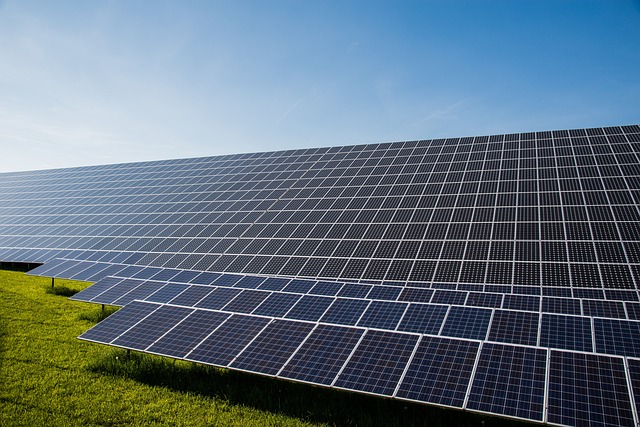
Aluminum Profiles in Solar Power Industry
Another sector that has seen a significant breakthrough in aluminum profile applications is the solar power industry. As the global push for renewable energy intensifies, aluminum plays a critical role in the production of solar panels and the supporting structures that hold them in place.
Aluminum Profiles in Solar Panel Frames
One of the most common uses of aluminum profiles in the solar power industry is in the production of solar panel frames. The aluminum frame surrounds the solar panel, providing structural integrity and protection from the elements. Aluminum's lightweight, durability, and corrosion resistance make it the material of choice for framing solar panels, ensuring that they last for years in outdoor environments.
Key benefits of using aluminum profiles in solar panel frames:
· Durability: Aluminum profiles resist rust and corrosion, even in harsh weather conditions, ensuring the longevity of the solar panels.
· Lightweight: The light nature of aluminum makes installation easier and reduces transportation costs for solar panel systems.
· Customizability: Aluminum extrusion allows manufacturers to design frames that fit specific solar panel sizes and meet custom engineering specifications.
Aluminum Profiles in Solar Mounting Systems
Aluminum profiles are also extensively used in solar mounting systems, which hold the solar panels in place on rooftops or solar farms. These mounting systems are designed to withstand various weather conditions while providing a secure and stable foundation for solar panels. Aluminum is the ideal material for these structures due to its high strength-to-weight ratio and resistance to corrosion in outdoor environments.
The advantage of aluminum profiles in solar mounting systems include:
· Corrosion Resistance: Aluminum is highly resistant to oxidation, making it ideal for use in outdoor environments where exposure to moisture and other elements is common.
· Lightweight and Strong: Provides strength for mounting solar panels while maintaining a lightweight structure that's easier to transport and install.
· Versatility: Custom aluminum extrusions can be designed to accommodate various types of solar panels and installation requirements, making them suitable for residential, commercial, and industrial solar applications.
Specialized Performance Requirements for Aluminum Profiles in Solar Power
The solar power industry places specific demands on aluminum profiles:
· Weather Resistance: Aluminum must be able to withstand UV exposure, rain, snow, and extreme temperatures without degrading.
· Strength and Flexibility: Aluminum profiles must offer sufficient strength to secure solar panels, while also being flexible enough to accommodate different roof designs or ground installations.
· Efficiency: As the solar industry evolves, the demand for more efficient and cost-effective solutions continues to rise, pushing aluminum profile manufacturers to innovate with better designs and materials.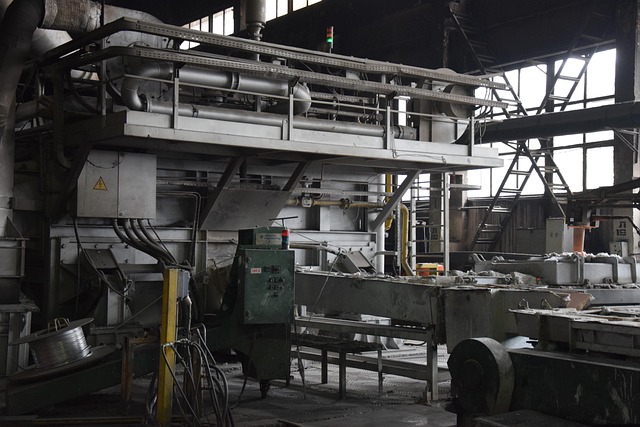
Technological Innovations in Aluminum Profiles for Emerging Industries
The rapid growth of sectors such as new energy vehicles and solar energy has driven significant technological innovation in aluminum profile manufacturing. Aluminum profile manufacturers are continuously developing new alloys, refining aluminum extrusion processes, and incorporating cutting-edge technologies to meet the evolving needs of these industries.
Innovations in Aluminum Alloys
In response to the increasing demand for high-performance materials, aluminum manufacturers are developing new aluminum alloys with improved strength, corrosion resistance, and thermal conductivity. These alloy are designed specifically for the rigorous demands of the automotive and solar industries, enabling better performance and longer lifespan of aluminum components.
Advanced Extrusion Techniques
To meet the complex design requirements of both electric vehicles and solar energy systems, aluminum profile manufacturers are adopting advanced extrusion techniques. This includes precision aluminum extrusion processes that allow for the production of more intricate and specialized profiles, ensuring that manufacturers can create the exact components needed for these emerging industries.
Conclusion
The demand for aluminum profiles in emerging industries such as new energy vehicles and solar power is growing rapidly, driven by the unique performance needs of these sectors. As the requirements for strength, weight, thermal conductivity, and corrosion resistance become more specialized, aluminum profile manufacturers are innovating with new alloys, extrusion techniques, and custom designs. The continuous evolution of aluminum profiles will be crucial in meeting the challenges posed by these dynamic industries, enabling advancements in electric vehicles, solar power systems, and other renewable technologies.
With the ongoing development of aluminum profile technology, we can expect these applications to become even more integral to the future of sustainable energy and transportation.
