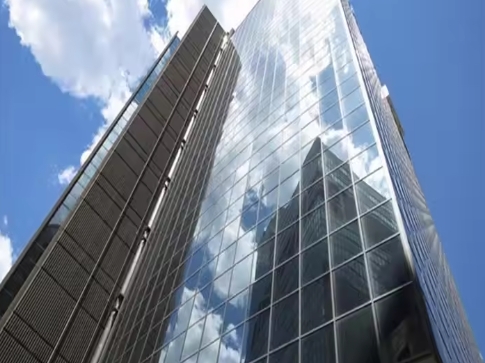
In the modern construction industry, the importance of aluminum profiles in curtain wall systems cannot be overstated. As one of the most widely used materials for architectural facades, aluminum profiles offer a range of benefits that make them the preferred choice for curtain walls. This article will delve into why aluminum profiles are the ideal option for curtain wall construction, discussing their mechanical and physical properties, design considerations, surface treatment options, energy efficiency, installation process, maintenance, and current trends in the industry.
Why Choose Aluminum Profiles for Curtain Walls?
Aluminum profiles are an essential component of curtain walls, which are non-structural facades that protect a building from external elements while allowing natural light into the interior. Curtain walls are typically made from lightweight materials and are supported by the building's structural frame. Aluminum is the material of choice for these systems for several reasons:
1. Lightweight and Strength:
Aluminum is a lightweight metal, yet it possesses a high strength-to-weight ratio, making it perfect for supporting large glass panels without compromising structural integrity. The low density of aluminum makes it easier to handle, transport, and install, thus reducing labor and transportation costs.
2. Durability and Corrosion Resistance:
Aluminum profiles have excellent resistance to corrosion, particularly when treated with anodizing or powder coating. This makes them highly durable in a variety of environmental conditions, including humid, salty, and coastal areas. They can withstand extreme temperatures and exposure to UV rays, ensuring that the curtain wall remains aesthetically pleasing and functional for decades.
3. Flexibility in Design:
Aluminum is highly versatile and can be easily extruded into various profiles to meet specific design needs. This flexibility allows architects to create unique and complex shapes for curtain wall systems, offering nearly unlimited design possibilities for modern architecture.
4. Recyclability:
In the age of sustainability, aluminum is highly recyclable material. Curtain walls made from aluminum profiles can be recycled at the end of their life cycle, making them an environmentally friendly choice for green building projects.
The Design Process: Selecting the Right Aluminum Profiles for Curtain Walls
When designing a curtain wall systems, choosing the right aluminum profiles is crucial for achieving both aesthetic appeal and structural stability. Here's a step-by-step breakdown of the design process:
1. Understand the Building's Structural Requirements:
The first step in designing a curtain wall system is to assess the building's structural requirements. Factors such as wind load, seismic activity, thermal expansion, and building height will dictate the profile size, thickness, and strength of the aluminum. The curtain wall must be designed to withstand external forces while maintaining its visual appeal.
2. Aesthetic Considerations:
The choice of aluminum profiles also depends on the aesthetic vision of the project. Architects and designers typically choose profiles that complement the overall architectural style. Aluminum profiles can be customized in various shapes, finishes, and sizes, which allows for the creation of unique facades, from sleek modern designs to more traditional or decorative looks.
3. Functional Requirements:
Aside from aesthetics, functional aspects such as thermal insulation, soundproofing, and weather resistance must also be considered. Aluminum profiles can be fitted with double-glazed or triple-glazed windows for energy efficiency, while specific sealing technologies can be incorporated to ensure airtightness and waterproofing.
4. Surface Treatment Selection:
To enhance the longevity and appearance of aluminum profiles, surface treatments such as anodizing, powder coating, or PVDF coating are often applied. These treatments improve the material's resistance to corrosion, UV degradation, and scratching. They also provide a wide range of color and texture options, which are essential for meeting aesthetic demands.
Selecting the Right Surface Treatment for Aluminum Profiles
The surface treatment of aluminum profiles plays a crucial role in the overall performance and aesthetics of the curtain wall. Different surface treatment options offer varying benefits in terms of durability, appearance, and energy efficiency.
1. Anodizing
Anodizing is an electrochemical process that thickness the aluminum oxide layer on the surface of the aluminum profile, enhancing its corrosion resistance. This treatment also provides a high-quality finish with a metallic sheen, which is ideal for modern, sleek architectural designs. Anodized aluminum profiles are commonly used for curtain walls in buildings exposed to harsh environmental conditions, as they offer excellent protection against UV radiation and weathering.
2. Powder Coating:
Powder coating involves applying a dry powder to the aluminum surface, which is then cured under heat to form a durable, uniform coating. Powder-coated aluminum profiles offer a wide range of color options and are highly resistant to scratches, fading, and corrosion. This treatment is ideal for buildings where aesthetic appeal is a top priority.
3. PVDF Coating:
Polyvinylidene fluoride (PVDF) coating provides an extra layer of protection, offering superior resistance to UV radiation, chemical exposure, and extreme weather conditions. PVDF-coated aluminum profiles are highly durable, making them perfect for high-performance curtain walls in urban environments or coastal areas.
Incorporating Energy Efficiency into Curtain Wall Design
Energy efficiency is a critical concern in modern architecture, and curtain walls made from aluminum profiles can play a significant role in reducing a building's energy consumption. Here's how:
1. Thermal Insulation:
Thermal insulation is essential for reducing heat transfer through the curtain wall system. Aluminum profiles can be designed with a thermal break—an insulating material placed between the inner and outer sections of the profile. This minimizes the transfer of heat between the interior and exterior of the building, reducing heating and cooling costs.
2. Double and Triple Glazing
By incorporating double or triple-glazed windows into the curtain wall, energy efficiency is further enhanced. These glazing options trap air between the panes, providing better insulation and reducing energy loss. Double-glazed units with low-emissivity coatings also help to control solar heat gain, improving the building's overall energy performance.
3. Solar Control:
Some curtain wall designs incorporate solar control features, such as reflective coatings or shading devices, to reduce the amount of direct sunlight entering the building. This minimizes the need for artificial cooling and helps maintain a comfortable indoor environment.
The Installation Process: From Site Preparation to Final Installation
The installation of a curtain wall system requires meticulous planning and execution. Here's a breakdown of the steps involved in the installation process:
1. Site Preparation:
Before installation begins, the building's structural frame must be prepared to support the curtain wall. This involves ensuring that the framework is level and plumb, and that all the necessary anchorage points for the aluminum profiles are in place.
2. Assembling the Curtain Wall:
Once the profiles have been fabricated and coated, they are transported to the construction site, where the curtain wall system is assembled. The profiles are attached to the structural frame using specialized achoring systems, ensuring that they are securely fixed in place.
3. Installing Glass Panels:
The glass panels are carefully inserted into the aluminum profiles. The glazing process must be done with precision to ensure that the glass is securely held and sealed, and that no gaps are left that could allow water or air infiltration.
4. Final Inspections:
After the curtain wall is installed, thorough inspections are conducted to ensure the system is airtight, watertight, and structurally sound. This involves testing the curtain wall's performance against wind loads, rain, and other environmental conditions.
Maintenance of Aluminum Profile Curtain Walls
Maintaining aluminum profile curtain walls is essential to ensure their longevity and continued performance. Regular maintenance includes:
1. Cleaning:
Aluminum profiles should be cleaned periodically to remove dirt, grime, and pollutants. For anodized or powder-coated surfaces, gentle cleaning agents should be used to avoid damaging the finish.
2. Inspections:
Routine inspections should be carried out to check for any signs of wear or damage, particularly around the joints and seals. This helps identify potential issues before they become major problems.
3. Sealant Maintenance:
The seals around the glass panels should be checked for any cracks or leaks, which could compromise the curtain wall's performance. If necessary, the seals should be replaced to maintain the system's airtight and watertight properties.
Current Trends in the Aluminum Profile Curtain Wall Industry
As the construction industry continues to evolve, so too do the technologies and trends influencing aluminum profile curtain walls. Some of the most notable trends include:
1. Sustainability and Green Building Practices:
Sustainability is becoming increasingly important in the construction industry, and aluminum profile curtain walls are no exception. The use of recyclable materials, energy-efficient glazing, and low-impact coatings is driving the trend toward greener buildings.
2. Smart Facades:
Smart technologies are being integrated into curtain wall systems to optimize energy use and enhance building performance. These include systems that adjust solar shading, monitor air quality, and control temperature in real-time.
3. Lightweight and High-Performance Materials:
Innovation in aluminum extrusion technology is allowing for the creation of lighter, stronger, and more energy-efficient curtain wall systems. These materials provide better performance without compromising the structural integrity or aesthetic quality of the building.
Conclusion
Aluminum profiles are undoubtedly the material of choice for modern curtain walls due to their strength, durability, design flexibility, and sustainability. From the design phase to installation and maintenance, the use of aluminum profiles ensures that curtain walls meet both aesthetic and functional requirements. As the industry continues to embrace sustainable practices and innovative technologies, aluminum profiles will remain at the forefront of architectural solutions, offering a wide range of benefits for contemporary buildings.
