Introduction: Aluminum profiles, often referred to as aluminum extrusions, play a crucial role in the construction of modern door and window components. Due to their lightweight, high strength, and resistance to corrosion, aluminum profiles are a preferred material for architectural applications.
1. Understanding Aluminum Profiles and Extrusions
Aluminum profiles are long, continuous, sections of aluminum created through a process called extrusion. In extrusion, heated aluminum billets are forced through a die with a specific cross-sectional shape, producing profiles of various designs. These profiles can be customized to meet different structural and aesthetic requirements.
One of the primary advantages of aluminum extrusion is the ability to create complex shapes with precise tolerances. This flexibility allows manufacturers to produce profiles tailored to specific functions in door and window frames, including channels for glass panes, tracks for sliding components, and spaces for seals and weatherproofing materials.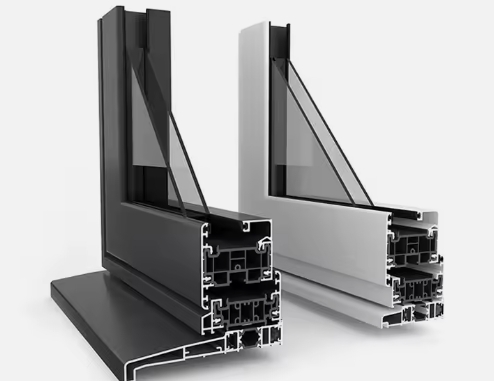
2. Key Benefits of Using Aluminum Profiles for Door and Window Components
Before delving into how these profiles are combined, it is essential to highweight why aluminum is the material of choice for many door and window manufacturers.
· Lightweight and Strong: Aluminum's strength-to-weight ratio is exceptional, meaning it can withstand significant loads while being easy to handle and install. This property is especially important in large window frames or sliding doors, where structural integrity is critical.
· Corrosion Resistance: Aluminum naturally forms a protective oxide layer, making it resistant to corrosion. This makes it ideal for exterior applications, such as doors and windows, which are constantly exposed to the elements.
· Design Flexibility: Aluminum profiles can be designed in various shapes and sizes, allowing architects and builders to create both functional and aesthetically pleasing components.
· Low Maintenance: Aluminum profiles require minimal maintenance over their lifespan, making them cost-effective for long-term use.
· Energy Efficiency: Many aluminum extrusions are designed with thermal breaks --- plastic or rubber sections that reduce heat transfer --- enhancing the energy efficiency of doors and windows.
Given these benefits, it's clear why aluminum profiles are essential for the structural stability and functionality of door and window components.
3. Key Structural Components of Aluminum Profiles in Doors and Windows
To ensure structural stability, aluminum profiles must be precisely designed and assembled. The following are the key structural components of aluminum extrusions used in doors and windows:
a. Frame Profiles
The frame is the outer structure that holds the entire door or window in place. Aluminum profiles used for the frame are designed to provide rigidity and support while maintaining a sleek, modern appearance. Frame profiles are typically hollow with reinforcement channels to improve strength without adding excessive weight.
These profiles also often include additional features, such as drainage channels to prevent water ingress and tracks for holding seals and gaskets, which ensure proper insulation and weatherproofing.
b. Sash Profiles
In operable windows, the sash is the part that moves, holding the glass pane. Aluminum extrusions used for sashes are designed to be strong yet light, allowing for easy operation without compromising the window's durability. Sash profiles must fit perfectly within the frame to ensure smooth movement and secure locking mechanisms.
The design of sash profiles often includes grooves and chambers for glass installation, providing a stable and airtight fit for the glazing. This is essential for energy efficiency, as it minimizes air leakage.
c. Glazing Beads
Glazing beads are smaller aluminum profiles used to hold glass panes securely within the sash or frame. These extrusions fit into slots on the main profiles and are typically fastened with clips or screws, ensuring the glass stays in place even under pressure.
d. Mullions and Transoms
In large windows and doors, mullions (vertical) and transoms (horizontal) are used to divide the structure into smaller sections. These aluminum profiles are crucial for providing additional strength to the frame, especially when supporting heavy glass panels.
By incorporating mullions and transoms, designers can maintain structural integrity while creating visually appealing multi-pane windows or decorative doors. These profiles are often designed with reinforcement chambers to withstand bending forces caused by wind loads or door movement.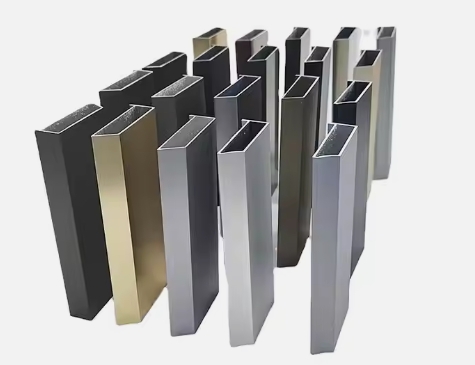
4. Combining Aluminum Profiles for Structural Stability
The combination of these individual profiles is key to creating a stable door or window structure. Here's how these elements work together:
a. Interlocking Systems
One of the main ways that aluminum profiles are combined to form stable structures is through interlocking systems. Many aluminum extrusions are designed with male-female connectors that allow them to snap or slide into each other. This ensures a tight and secure fit, minimizing the need for screws or fastners, which could compromise the profile's appearance or structural integrity.
For example, in a sliding door, the aluminum frame profiles and sash profiles may interlock to ensure that the door moves smoothly along its track while maintaining rigidity. Additionally, interlocking profiles help prevent air and water leaks, enhancing the door or window's weatherproofing capabilities.
b. Mechanical Fasteners and Reinforcements
In larger or more complex window and door systems, mechanical fasteners such as screws, bolts, or brackets are used to combine aluminum profiles. Reinforcements, often made from steel or thicker aluminum, may be inserted into hollow profiles to provide additional support in load-bearing areas.
For instance, in large storefront windows, where glass panels can be quite heavy, aluminum profiles are often reinforced with steel inserts to prevent bending or sagging. The combination of aluminum's lightweight nature and steel's strength ensures the window remains stable over time.
c. Welded and Bonded Joints
For certain applications, such as heavy-duty commercial doors, aluminum profiles may be welded or bonded together. This creates an incredibly strong joint that can withstand significant forces. Welding is often used in high-traffic areas where doors or windows are subject to frequent use or heavy impact.
Bonding, using industrial adhesives, is another technique used to combine aluminum profiles without the need for visible fasteners. This method is particularly popular in modern, minimalistic designs where clean lines and sleek surfaces are desired.
5. Enhancing Stability Through Surface Treatments and Finishes
While the structural design of aluminum profiles ensures stability, surface treatments and finishes also play a role in maintaining the integrity of the door or window over time.
a. Anodizing
Anodizing is an electrochemical process that increases the thickness of the natural oxide layer on the surface of the aluminum. This improves the corrosion resistance and wear resistance of the profiles, making them more durable in harsh environments. Anodized aluminum profiles are commonly used in exterior windows and doors due to their ability to withstand weathering without fading to deteriorating.
b. Powder Coating
Powder coating involves applying a dry powder to the surface of the aluminum profile, which is then cured under heat to form a protective layer. This coating not only enhances the profile's appearance with various color options but also adds an extra layer of protection against scratches, corrosion, and UV damage.
6. Conclusion: The Role of Aluminum Profiles in Door and Window Stability
Aluminum profiles, or aluminum extrusions, are an essential component in modern door and window systems, offering a unique combination of strength, durability, and flexibility. By carefully combining frame, sash, glazing beads, and reinforcement profiles, manufacturers can create doors and windows that are only aesthetically pleasing but also structurally stable and resistant to external forces.
The precision with which aluminum profiles are designed and combined ensures that these products meet the demands of both residential and commercial construction, providing long-lasting performance in a variety of environments. As the demand for energy-efficient, low-maintenance, and visually appealing building materials continues to rise, aluminum profiles will remain at the forefront of architectural innovation.
