Aluminum extrusion profiles have evolved rapidly over the past few decades in a number of industrial sectors, with their light weight, corrosion resistance and machinability making them indispensable in the automotive manufacturing industry. As the automotive industry continues to look for ways to reduce weight in order to improve fuel efficiency and reduce carbon emissions, the range of applications for aluminum profiles has expanded significantly in this ares.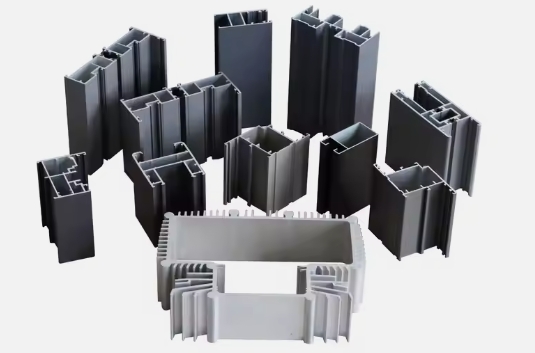
Aluminum Profiles in Automotive Manufacturing
1. Body Structure
One of the most obvious applications for aluminum profiles is in body structures, particularly in the manufacture of components such as doors, hoods and roofs. Due to the high strength and low weight properties of aluminum, body components using aluminum profiles not only reduce the total weight of the vehicle, but also improve the vehicle's fuel efficiency. In addition, aluminum profiles also help improve vehicle safety by asorbing energy in the event of a collision better than conventional steel.
For example, many modern automakers have begun to use all-aluminum alloy body frames to replace traditional steel frames. This structure not only reduces the weight of the vehicle, but also makes it more sustainable, as aluminum is a renewable resource and its recycling process is less energy intensive.
2. Powertrain Components
Aluminum profiles are also widely used in the manufacture of various components of the powertrain, including engine mounts, drivelines and radiators. These components are subjected to high temperatures and pressures, and therefore require high levels of material strength and durability. Aluminum profiles not only meet these requirements, but also improve vehicle fuel economy by reducing weight.
The use of aluminum profiles is particularly important in the electric vehicle (EV) and Hyb electric vehicle (HEV) segments. The battery systems in EVs are often heavy, and the lightweight nature of aluminum profiles helps to offset this weight, thereby increasing the range of EVs.
3. Interior Trim and Safety Components
In addition to structural components, aluminum profiles are widely used in the interior trim and safety components of automobiles. For example, aluminum profiles are used to manufacture instrument panel brackets, seat structures and airbag frames. These components require not only high strength, but also excellent machinability to accommodate complex design requriements.
Additionally, aluminum's malleability makes it an ideal material for manufacturing complex shaped interior components that meet both the aesthetic and fuctional needs of modern automobiles.
4. Classis and Suspension
Aluminum profiles are also increasingly used in chassis and suspension systems. The components of these systems are often subjected to extremely high pressures and stresses, so traditioanlly high-strength steel has been used. However, with advances in manufacturing processes, the strength and durability of aluminum profiles have increased significantly, making them an ideal alternative to steel.
Suspension systems made with aluminum profiles are not only lighter, but also provide better vehicle handling and ride comfort. At the same time, the lightweighting of chassis components helps to further lower the vehicle's center of gravity and improve driving stability.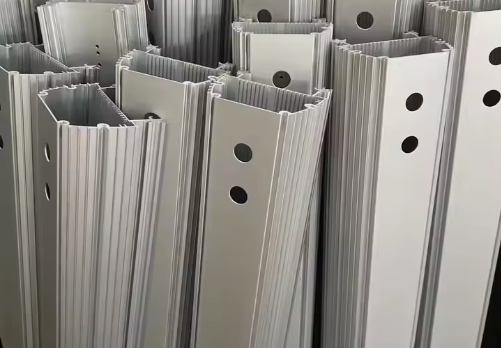
Advantages of Aluminum Extrusion Profiles in Automotive Manufacturing
1. Lightweighting
Lightweighting is the main driver for the adoption of aluminum profiles in automotive manufacturing. Reducing vehicle weight not only improves fuel efficiency, but also reduces CO2 emissions, thereby complying with increasingly stringent environmental regulations worldwide. Aluminum profiles are one-third the density of steel and strong enough for most automotive applications, making them ideal for lightweight design.
2. Corrosion Resistance
Another significant advantage of aluminum profiles is their excellent corrosion resistance. Compared to steel, aluminum forms an oxide film when exposed to air, preventing further oxidation and corrosion. This property allows aluminum profiles to maintain good performance in harsh environments, extending the life of automotive components and reducing maintenance costs.
3. Recyclability
Aluminum is a highly recyclable material and does not lose its original properties in the recycling process. Recycling of aluminum extrusions not only reduces dependance on virgin aluminum ore resources, but also significantly reduces energy consumption and carbon emissions from the production process. For automotive manufacturers, the use of recyclable aluminum profiles helps meet sustainability goals and enhances the environmental image of the company.
Future Trends: Innovative Applications of Aluminum Profiles in Automotive Manufacturing
1. 3D Printing with Aluminum Profiles
The use of aluminum extrusion profiles in automotive manufacturing has become even more promising with the development of 3D printing technology. 3D printing allows manufacturers to create more complex and lightweight structures without sacrificing material properties. The combination of this technology makes it possible to produce customized and low-volume automotive components, providing more flexibility and room for innovation in the future of automotive design.
2. The Rise of Aluminum Composites
In the future, aluminum composites may play an even more important role in automotive manufacturing. By combining aluminum with other materials. (e.g., carbon fiber, magnesium), manufacturers can further improve the strength, rigidity, and heat resistance of the material. These composites will not only further reduce weight, but also improve the overall performance of the vehicle, especially in the high-performance and luxury car segments.
3. Synergistic Development of Electric Vehicles and Aluminum Profiles
With the rapid growth of the electric vehicle market, the use of aluminum profiles in this field will continue to expand. In addition to battery trays and body structures, future electric vehicles are likely to use more aluminum components to improve range and energy efficiency. At the same time, the conductive properties of aluminum profiles make them an ideal material for use in electric vehicle electrical systems.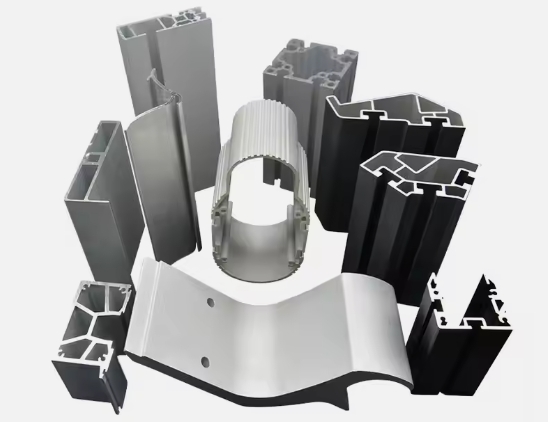
Conclusion
The application of aluminum profiles in automotive manufacturing continues to expand, not only occupying an important position in traditional automobiles, but also showing great potential in electric vehicles and future automotive design. As technology advances and market demands change, aluminum extrusion profiles will continue to play a key role in driving the automotive industry toward a lighter, more environmentally friendly approach. Whether it's structural components, powertrains, or interior and safety components, aluminum extrusion profiles will play an irreplaceable role in the future of automotive manufacturing.
