Aluminum profiles are widely used in various industries due to their versatility, durability, and lightweight properties. However, one common question that arises when selecting aluminum profiles is: "Is thicker always better?" In other words, does a thicker wall thickness equate to a better aluminum profile? This article will explore this topic in detail, examining the factors that influence the optimal wall thickness for aluminum profiles and how it affects their performance and applications.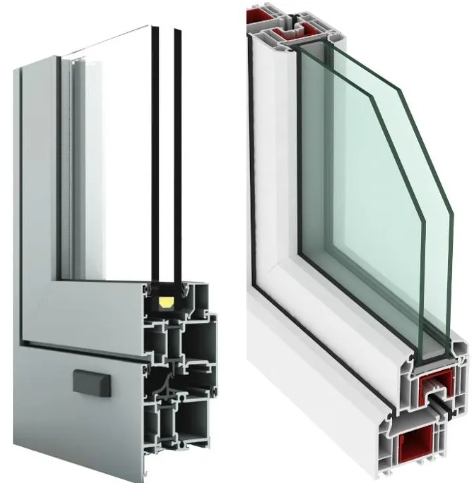
Understanding Aluminum Profiles
Aluminum profiles are extruded shapes made from aluminum alloy. These profiles come in various shapes and sizes, each designed for specific applications. The wall thickness of these profiles can vary significantly, impacting their strength, weight, cost, and suitability for different uses.
Factors Influencing Wall Thickness
1. Strength and Load-Bearing Capacity
- Thicker aluminum profiles generally have higher strength and load-bearing capacity. This makes them suitable for structural applications where high strength is required, such as in construction, transportation, and heavy machinery.
2. Weight Considerations
- One of the primary advantages of aluminum is its lightweight nature. Increasing the wall thickness adds weight, which may be undesirable in applications where weight savings are critical, such as in aerospace or automotive industries.
3. Cost Implications
- Thicker aluminum profiles require more material, leading to higher costs. It's essential to balance the need for strength with budget constraints, ensuring that the profile meets performance requirements without unnecessary expense.
4. Thermal Properties
- Aluminum is an excellent conductor of heat. In applications where thermal conductivity is essential, such as in heat sinks or electronic enclosures, the wall thickness must be optimized to balance heat dissipation and structural integrity.
5. Corrosion Resistance
- Thicker walls can provide better corrosion resistance, particularly in harsh environments. However, proper surface treatments like anodizing or painting can enhance corrosion resistance without significantly increasing wall thickness.
Applications and Optimal Wall Thickness
1. Construction and Structural Applications
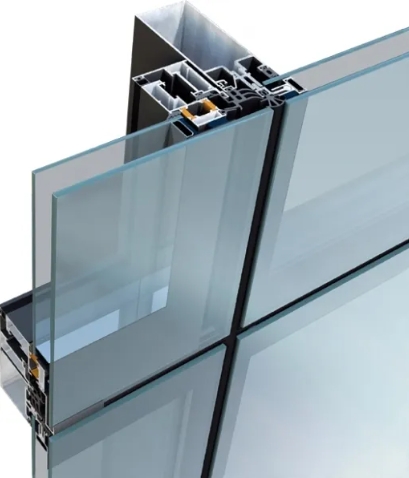
- In construction, thicker aluminum profiles are often preferred for load-bearing structures like beams, frames, and supports. The increased wall thickness ensures the profiles can withstand heavy loads and provide long-term durability.
2. Automotive and Aerospace Industries
- These industries prioritize weight savings to improve fuel efficiency and performance. Therefore, aluminum profiles used in these sectors are typically designed with optimized wall thickness that provides adequate strength without adding unnecessary weight.
3. Electronics and Heat Management
- In electronic devices, aluminum profiles are used as heat sinks. The wall thickness must be sufficient to dissipate heat effectively while maintaining a lightweight design. The optimal thickness is determined by the thermal management requirements of the specific application.
4. Furniture and Interior Design
- Aluminum profiles used in furniture and interior design need to balance aesthetics with functionality. Thinner profiles can provide a sleek, modern look, while still offering sufficient strength for everyday use.
FAQ
Q: Does a thicker wall always mean a stronger aluminum profile?
A: Generally, yes. Thicker walls provide higher strength and load-bearing capacity. However, the specific application and required performance should guide the selection of wall thickness.
Q: Are thicker aluminum profiles more expensive?
A: Yes, because they require more material. It's important to balance cost with performance requirements to avoid unnecessary expenses.
Q: Can thinner aluminum profiles be used in structural applications?
A: Thinner profiles can be used if they meet the required strength and load-bearing specifications for the application. Engineering analysis is essential to determine suitability.
Q: How does wall thickness affect thermal conductivity?
A: Thicker walls can enhance thermal conductivity in applications like heat sinks, but the optimal thickness depends on the balance between heat dissipation needs and structural requirements.
Q: Do thicker walls improve corrosion resistance?
A: Thicker walls can provide better corrosion resistance, especially in harsh environments. However, surface treatments like anodizing can also enhance corrosion resistance effectively.
Conclusion
The wall thickness of aluminum profiles plays a crucial role in determining their suitability for different applications. While thicker profiles generally offer higher strength and better load-bearing capacity, they also add weight and cost. Therefore, it's essential to consider the specific requirements of each application, balancing strength, weight, cost, thermal properties, and corrosion resistance. By understanding these factors, you can select the optimal wall thickness for your aluminum profiles, ensuring they meet the performance needs of your project.
